
For many women, perimenopause symptoms don’t begin with an obvious hot flush.
They may begin with waking at 3 a.m. for no apparent reason. Feeling unusually tired despite getting enough rest. Struggling to find a familiar word in the middle of a conversation. Or suddenly feeling less able to cope with stress that previously seemed manageable.
Because these changes can appear gradually, many women don’t immediately recognise them as possible signs of perimenopause.
Understanding what is happening can make this transition feel less confusing and help women find the right support for their changing wellbeing needs.
What Is Perimenopause?
Perimenopause is the transition leading up to menopause. During this time, hormone levels fluctuate and menstrual cycles may begin to change.
The experience can vary considerably from one woman to another.
While hot flushes and changes to periods are widely recognised, perimenopause symptoms can affect many aspects of physical and emotional wellbeing.
These can include changes in:
- sleep
- energy and fatigue
- concentration and memory
- mood
- stress tolerance
- headaches or migraines
- muscle and joint comfort
- menstrual cycles
- body composition
- temperature regulation
Some women experience relatively few symptoms, while for others, perimenopause can have a noticeable impact on everyday life and work.
5 Perimenopause Symptoms Women May Not Immediately Recognise
1. Sleep Problems During Perimenopause
One of the first changes some women notice is that their sleep suddenly feels different.
You may fall asleep easily but wake during the night. You might wake much earlier than usual or find that, even after several hours of sleep, you don’t feel properly rested.
Sleep disruption can then have a ripple effect.
Poor sleep can affect energy, concentration, mood and our ability to manage pressure the following day.
If your sleep patterns have changed without an obvious reason, it may be worth considering whether perimenopause could be one contributing factor.
2. Perimenopause Fatigue and Changes in Energy
Perimenopause fatigue can feel different from simply being tired after a busy day.
Some women notice that they need more recovery than they used to. The routines, exercise intensity or pace of life that worked well previously may suddenly feel harder to sustain.
This doesn’t necessarily mean doing less of everything.
Instead, it can be an opportunity to become more aware of how we use, restore and protect our energy.
Regular movement, adequate rest, nourishing food, time outdoors and creating space for recovery can become particularly important during this stage of life.
3. Brain Fog, Memory and Concentration Changes
Walking into a room and forgetting why you’re there.
Losing your train of thought halfway through a conversation.
Searching for a word that you know perfectly well.
Many women describe brain fog during perimenopause, including changes in concentration, memory and mental clarity.
This can be particularly unsettling for women working in demanding professional roles, where they may be accustomed to thinking quickly, managing multiple responsibilities and making complex decisions.
Recognising that these changes can occur during the menopause transition may help women feel more comfortable discussing their experiences and seeking appropriate support.
4. Your Response to Stress May Change
Another less discussed aspect of perimenopause is feeling that your capacity to manage pressure has changed.
Perhaps situations that once felt manageable now feel more overwhelming. You may find yourself becoming irritated more easily, feeling emotionally depleted or needing longer to recover after stressful periods.
There may not be one single cause.
Hormonal changes can be occurring alongside demanding workloads, family responsibilities, caring roles and disrupted sleep.
Rather than continually trying to push through, this stage of life can be an important time to strengthen the practices that support regulation and recovery.
Gentle movement, yoga, meditation, breathing practices, adequate rest and clearer boundaries between work and recovery can all form part of a broader wellbeing approach.
5. Your Body May Need a Different Kind of Support
Sometimes the most surprising part of perimenopause is realising that what worked for your body ten years ago doesn’t necessarily work in the same way now.
You might notice changes in recovery after exercise, muscle or joint comfort, appetite, body composition or how your body responds to lack of sleep.
This isn’t about fighting your body.
It is about becoming curious about what your body needs at this stage of life.
Our wellbeing needs evolve throughout our lives, and perimenopause can be an opportunity to reassess the routines we have followed automatically for years.
Perimenopause and Women’s Wellbeing at Work
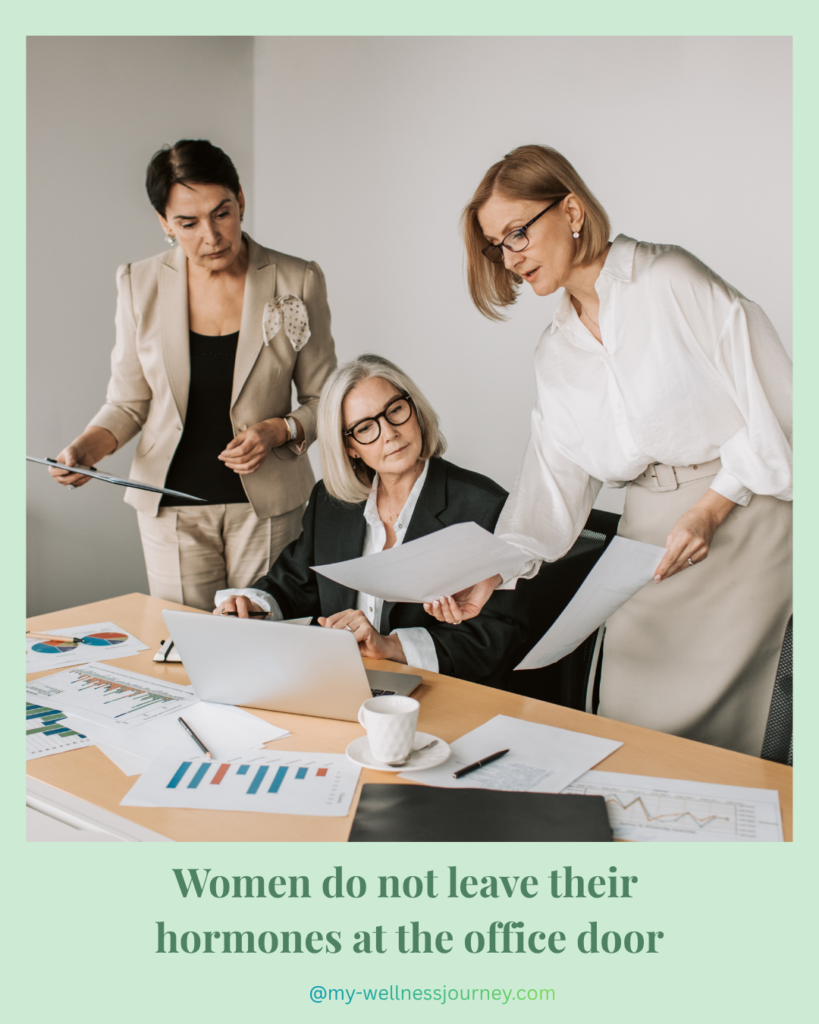
Perimenopause isn’t only a personal wellbeing issue. It can also have implications for women’s experience at work.
Women may be navigating symptoms while leading teams, managing complex projects, caring for family members and contributing years of knowledge and experience to their organisations.
Sleep disruption, fatigue, brain fog or changes in stress tolerance don’t suddenly disappear when someone arrives at work.
Yet many women may feel uncomfortable discussing menopause or perimenopause in the workplace.
Organisations don’t need to become medical experts.
Creating a more supportive workplace can begin with awareness, respectful conversations, appropriate flexibility and a culture where women don’t feel they need to quietly struggle through significant changes.
Supporting women through midlife is part of creating workplaces where experienced employees can continue to contribute and thrive.
A Holistic Approach to Perimenopause Wellbeing
I have worked across yoga, meditation, Ayurveda and holistic wellbeing for more than 30 years, and one principle has remained consistent throughout my work:
Our wellbeing needs change as our lives change.
What supported us at one stage of life may need adjusting at another.
During perimenopause, that might mean paying greater attention to sleep and recovery, adapting exercise, becoming more aware of stress patterns, reviewing nutrition or simply recognising that continually pushing through exhaustion isn’t a sustainable wellbeing strategy.
Traditional approaches such as yoga, meditation and Ayurveda can sit alongside contemporary healthcare as complementary ways of supporting everyday wellbeing, self-awareness and recovery.
They aren’t replacements for appropriate medical care.
Instead, they can become part of a broader approach that recognises the physical, mental and emotional dimensions of women’s wellbeing.
What Can You Do If You Think You’re Experiencing Perimenopause Symptoms?
You don’t need to overhaul your entire life.
Start with awareness.
Notice your sleep patterns, energy levels, menstrual cycle, mood, concentration and response to stress.
You might ask yourself:
How am I sleeping?
When does my energy drop?
What situations leave me feeling depleted?
What genuinely helps me recover?
Have my menstrual cycles changed?
Are these symptoms beginning to affect my work, relationships or everyday life?
Keeping track of changes can also make conversations with your GP or healthcare professional more useful.
New, persistent or concerning symptoms should be appropriately assessed rather than automatically attributed to perimenopause, as similar symptoms can sometimes have other causes.
Understanding Your Changing Needs
Perimenopause is a transition, and every woman’s experience is different.
For some women, the changes are relatively mild. For others, they can significantly affect sleep, energy, confidence, work and everyday wellbeing.
But understanding what may be happening can be powerful.
Instead of wondering:
“Why can’t I cope the way I used to?”
perhaps a more useful question is:
“What does my wellbeing need from me at this stage of my life?”
Awareness is often the first step towards finding the support, strategies and healthcare that are right for you.
If your organisation is looking to better support women through perimenopause and menopause, explore my Women’s Wellness workshops and programs, designed to bring practical, informed and supportive conversations about women’s health into the workplace.